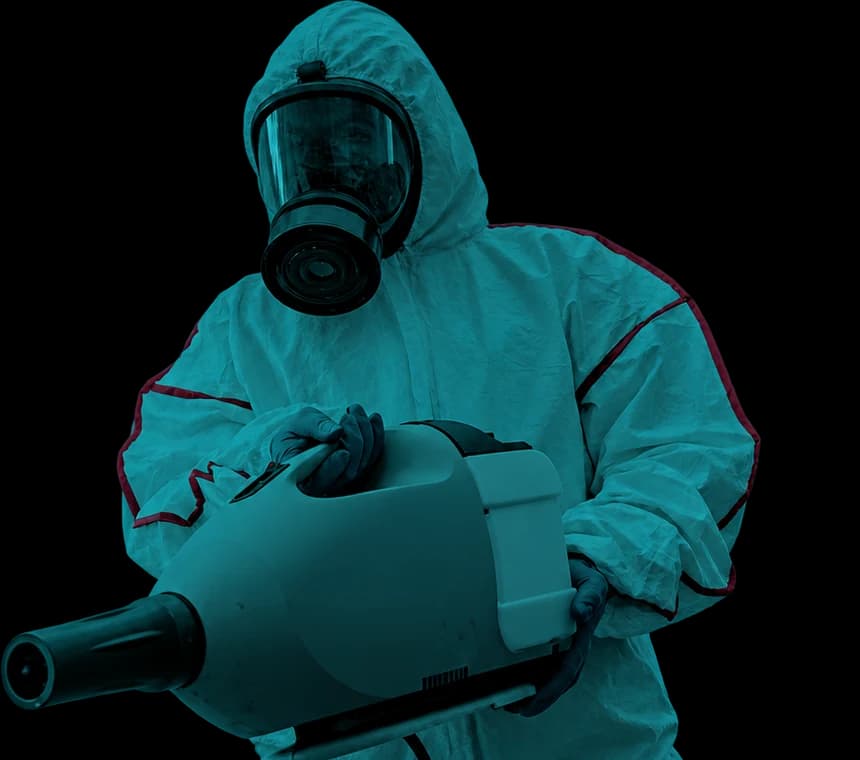
Fire & Smoke Damage Restoration in Ottawa
HMRS secures the building, dries the water left by suppression, removes soot and smoke odour at the source rather than masking it, and documents the whole file for the claim.
Dispatch — 24 hours
(613) 239-4728Answered at any hour, including through storm events. You are told a real attendance window on the call.
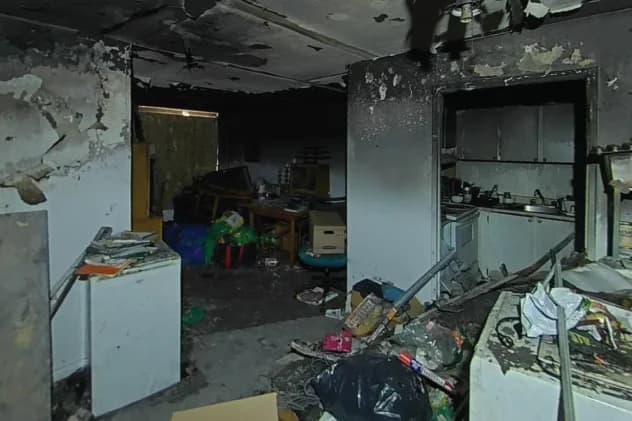
When you need fire and smoke restoration
- 1A unit fire with smoke and soot carried through corridors.
- 2A kitchen fire that has left grease and protein residue through the space.
- 3Suppression water soaked into floors below the fire.
- 4Persistent smoke odour weeks after the visible damage was cleaned.
- 5A furnace puffback that has coated finishes in oily soot.
- 6An electrical fire in a service room with residue on equipment.
- 7A neighbouring-unit fire with smoke migration into yours.
- 8A commercial building that needs to be secured and reopened on a schedule.
How a fire file runs
- 01
Secure the building
Board-up, temporary fencing, and weather protection where the envelope is open. A building that is not secured overnight accumulates a second set of losses that the claim then has to separate from the first.
- 02
Deal with the water first
Suppression puts a large volume of water into the structure, usually into the floors below the fire. Extraction and drying start immediately and run alongside the soot work, because a fire building that sits wet becomes a mould building within days.
- 03
Assess the smoke
What burned decides how the residue behaves. Protein residue from a kitchen fire, oily soot from a puffback, and dry char from a structural fire each need different cleaning chemistry and different sequencing. Cleaning them all the same way is why odour comes back.
- 04
Check for asbestos before demolition
Fire damage in a pre-1990 Ottawa building means demolition through assemblies that may contain asbestos. That work is classified under O. Reg. 278/05 before anyone opens a wall, not after.
- 05
Clean, deodorise, remove
Surface cleaning where the substrate is sound, removal where it is not. Odour treatment at the source — sealing and thermal or hydroxyl treatment as the situation calls for — rather than fragrance over residue that is still present.
- 06
Contents and closeout
Contents inventoried, cleaned where cleanable, and documented where not. The closeout carries the scope, the moisture record, photo progress, and the contents list, which is the part of a fire claim most likely to be disputed.
Why property managers and adjusters call HMRS
- Fire and the water under it on one file
- Suppression water is not a separate job. Drying starts alongside the soot work so the building does not become a mould file six weeks later.
- Odour treated at the source
- Residue removed or sealed rather than covered. If the smell returns, the residue was never dealt with.
- Asbestos classified before demolition starts
- Fire demolition in a pre-1990 Ottawa building runs through assemblies that may contain asbestos. Classification under O. Reg. 278/05 happens first.
- Contents documented, not just cleared
- The contents list is where fire claims get disputed. It is built as the work happens rather than reconstructed afterwards.
Common questions
01Why does smoke odour come back after the cleaning is done?
Because residue is still present somewhere the cleaning did not reach — inside wall cavities, in insulation, in ductwork, or absorbed into porous material that was cleaned on the surface. Odour is a symptom of residue. Any treatment that addresses the smell without removing or sealing the source buys a few weeks.
02Can smoke-damaged contents be saved?
Many can. Hard non-porous items usually clean well. Textiles and soft goods depend on what burned and how long the residue sat. Documents, electronics, and anything with sentimental value should be identified early, because the odds fall the longer acidic residue stays in contact with the surface.
03Why is water damage part of a fire job?
Because suppression is water. On most structure fires the water damage affects more square footage than the fire did, particularly on the floors below. Treating fire and water as two separate jobs on the same building is how buildings end up with mould six weeks after the fire is cleaned.
04How quickly does the building need to be secured?
Immediately. An open envelope means weather, animals, and unauthorised entry, and losses that accrue after the fire are a recurring source of claim disputes. Board-up is usually the first thing on site.
05Does a fire building need an asbestos survey?
If it was built before 1990 and demolition is planned, yes. Section 10 of O. Reg. 278/05 puts an examination on the owner before tendering demolition, alteration, or repair. Fire damage does not suspend that, and burnt or disturbed asbestos-containing material is more friable, not less.
06Who handles the insurance side?
HMRS prepares scope, photo documentation, and contents records for the adjuster to work from and raises scope changes as they are found rather than at invoicing. The policyholder still holds the claim; the file is written so the adjuster can move on it.
07Can occupants stay in the building?
Sometimes, in a large building where the fire was confined to one unit and smoke migration is limited. It depends on air handling, corridor contamination, and whether demolition will disturb asbestos. That call is made on assessment, not on the phone.
08How long does a fire restoration take?
Securing and drying happen in the first days. Soot removal and odour work run in weeks. Reconstruction depends on scope and on how quickly the claim settles. HMRS gives a stage-by-stage schedule rather than a single end date, because the stages have genuinely different drivers.
Related services
- Water DamageExtraction and controlled drying for the suppression water, which usually affects more area than the fire.
- Asbestos AbatementClassification and abatement before fire demolition opens an assembly.
- Biohazard CleanupWhere a fire scene also requires trauma or hazardous residue cleanup.
- ReconstructionReconstruction back to pre-loss condition on the same file as the restoration.
Dispatch
Fire and smoke restoration across Ottawa, Gatineau, and Eastern Ontario, from a single unit to a whole building. Call for dispatch and board-up, or request a site assessment.